
Key Takeaways
• Uniform programs are evolving to prioritize employee comfort, choice and individuality rather than rigidly matching apparel selections.
• Performance fabrics, casual silhouettes and retail-inspired branding are reshaping workplace uniforms across industries.
• Advances in e-commerce, print-on-demand and inventory technology have made complex, customizable uniform programs easier to manage and scale.
Companies have long operated under the assumption that a uniform is just a uniform – something employees wear to look polished on the clock, and nothing more. But that attitude has been slowly shifting. Clients now are elevating both their company branding and their employees’ experience with uniform programs that rely more on wearer satisfaction and less on matchy-matchy product design.
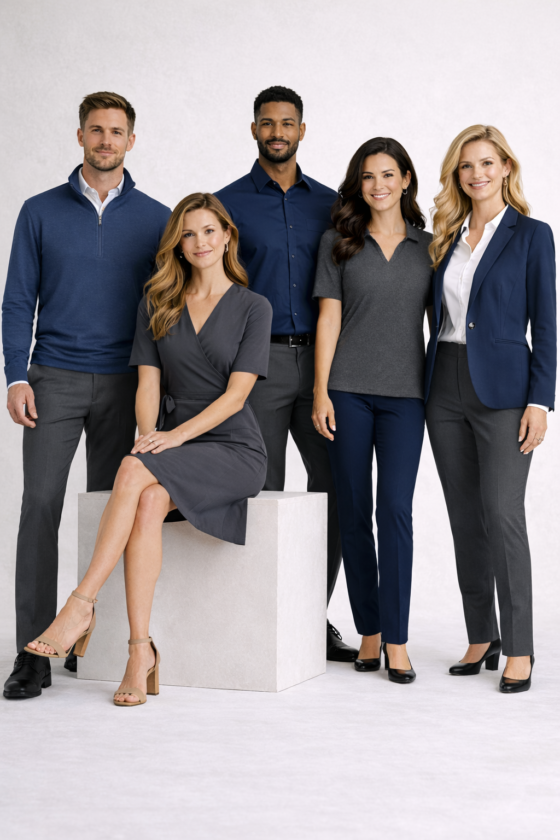
In practice, that’s translated into expansive uniform offerings that mix product availability, graphics, colors and decoration into an assortment that prioritizes employee choice and comfort – made possible by tech advances that allow for easy organization and inventory management for more in-depth programs.
“It’s always been a benefit to offer a uniform program,” says Caleb Churchill, director of national accounts at Counselor Top 40 supplier Workwear Outfitters (asi/98258). “But now companies are taking it a step further to help with employee morale and satisfaction. It gives them a little more choice and a little more personal identification within that uniform.”
Choices, Choices
For Jose Gomez, CEO of Counselor Top 40 supplier Edwards Garment (asi/51752), the increased complexity of employee uniform programs is by far the biggest shift he’s noted in the space, regardless of client vertical.
“We used to have one or two bottoms, three tops and maybe one second layer – so maybe four to six style choices,” Gomez says. “Now we’re seeing at least double that.”
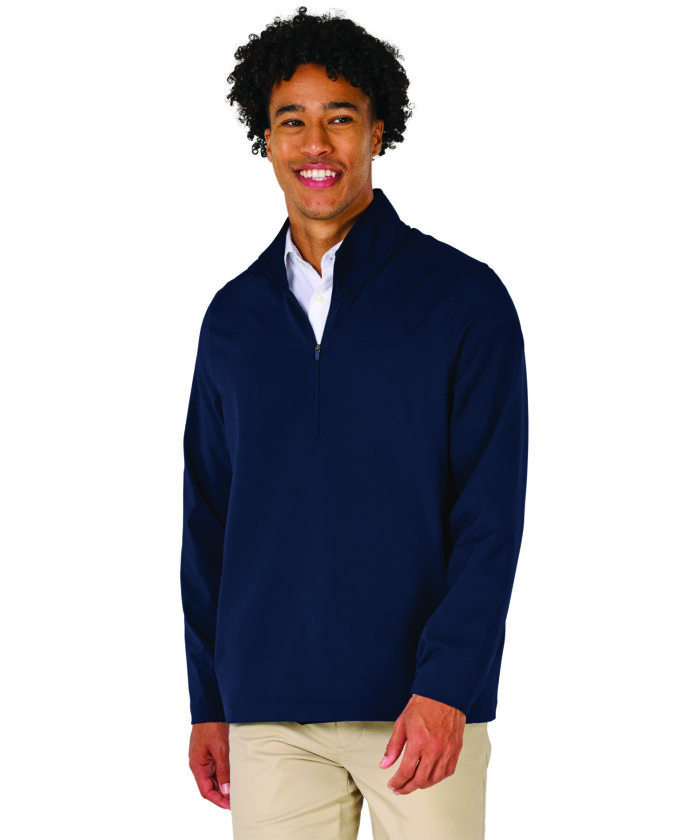
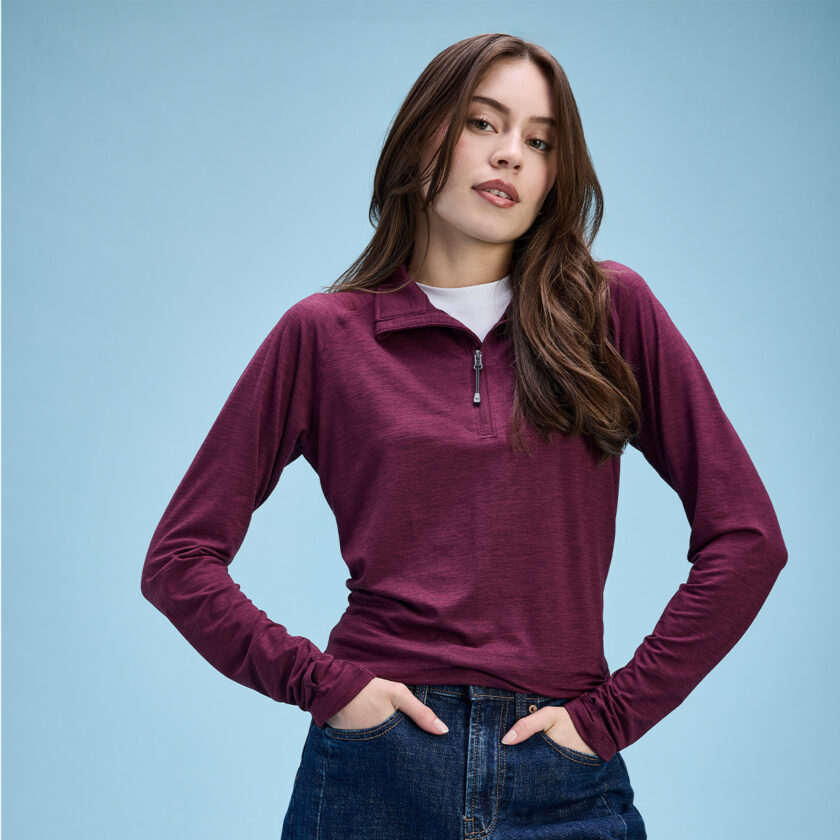
The desire for increased employee choice can translate into companies offering a wider variety of silhouettes – a slim-fit tee and a boxy one, for example, or both a long-sleeve and short-sleeve option. Many companies also choose to vary graphic and color options; where a brand might have exclusively offered red shirts before, now their uniform program may include both red tops and white items with red branding, or five T-shirt options with different slogans.
Tom Meissner, president of web store-focused distributor iCoStore (asi/229785), operates a company uniform program that has 150 product styles over six colors. He says the huge product variety offers a unique opportunity for employees to feel a sense of individual freedom within brand guidelines.
“You can offer a huge selection of items across multiple brands – you match, but you don’t match,” Meissner says. “Now there’s a selection for everybody.”
“Everyone doesn’t have to look exactly alike, as long as they have the overall image portrayed the way the company wants it to be,” adds Workwear Outfitters’ National Account Manager Kelly Connolly.
What’s changed? Well, in large part, employees have more of a voice than ever. It’s particularly noteworthy in uniforms because they’re so ingrained in employees’ day-to-day work. Employers who want to emphasize employee satisfaction can allow their workers to choose the uniform pieces that they’ll be most comfortable and confident in. And in many cases, if they have a preference for certain name brands or select silhouettes, that can now be accommodated without sacrificing overall brand cohesion.
Some distributors, including at Superior Group of Companies – the parent company of Counselor Top 40 distributor BAMKO (asi/131431) – even prefer to conduct wear tests prior to a large-scale uniform rollout to ensure they receive accurate employee feedback, says Lisa Stewart, SGC’s senior vice president of product development and quality assurance.
“I think it’s something we’re seeing in the industry as a whole – not just for uniforms, but even with employee gifts,” says Chloe Ward, marketing manager at Storm Creek (asi/89879). “Getting people something that they want to wear and will feel good in is just becoming more and more important.”
Most companies recognize that employees probably aren’t going to throw on their company polo for dinner outside work hours, though the potential for increased brand impressions certainly isn’t lost on them. Instead, the focus is on keeping employees comfortable enough at work to where the uniform is a net positive in how workers view the company.
“The goal isn’t that they wear a uniform outside of work,” Gomez says, “but they’re comfortable enough that they aren’t like, ‘I can’t wait for 5 p.m. to get out of these clothes.’”
A Focus on Fit
Durability will always be a top priority for uniforms, especially in fields like construction, manufacturing or similar industries. Particularly when it comes to uniforms that an employee keeps – rather than ones moving through an industrial laundry program – products that will survive mismanaged care or workplace wear and tear are essential.
“Having a fabric that holds up well, no matter how they care for it, is something that’s become really important,” says Ward, “because obviously you want it to last, and you want people to look their best if they’re representing your brand.”
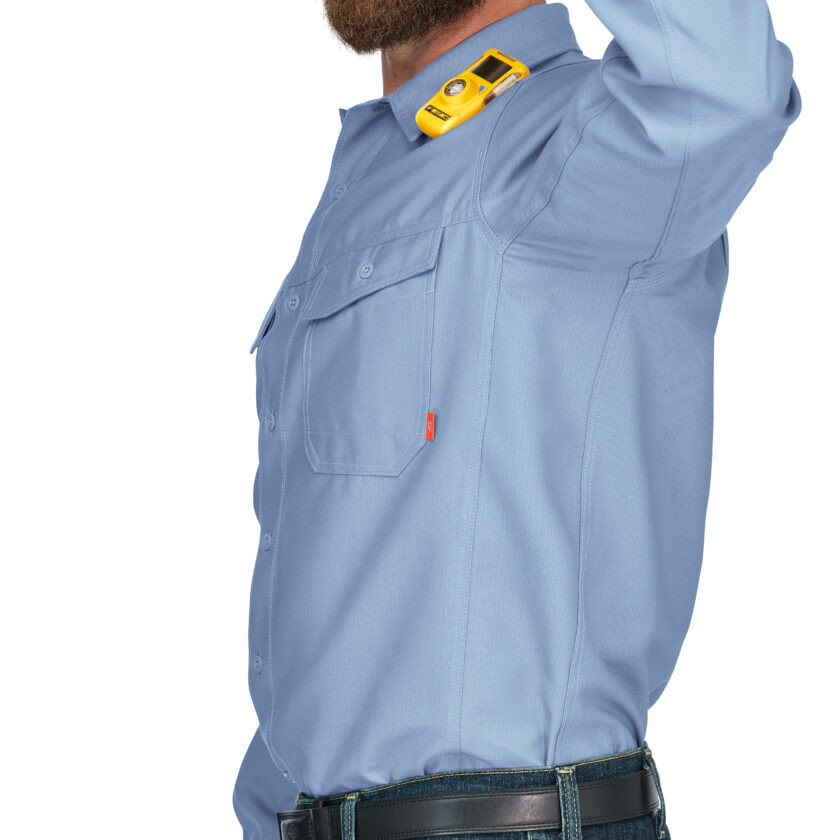
The heaviest and thickest materials can accomplish that, but distributors would be sacrificing comfort for durability. Accordingly, performance fabrics have become equally essential for many companies. Outside of safety-specific items, companies are leaning into retail athleisure in the same way corporate apparel has. In particular, that includes creating a true women’s style and not merely a shrunken version of a men’s boxy fit, says Pam Preuss, senior marketing manager at Charles River Apparel (asi/44620).
“Even if they stick with a traditional polo, we’ve also seen a shift where they look for more elevated materials – something that’s soft, has four-way stretch or is moisture wicking,” Preuss says.
Suppliers across the board have noted the popularity of performance fabrics for uniform tops and bottoms. Many of the most popular items in Workwear Outfitters’ product catalog, for example, have been around for decades – but the company is working to add flexibility or stretch to even those classic silhouettes because everyone is used to more comfort in everyday wear.
3 HOT TRENDS
Screen printing and left-chest embroidery still reign supreme in the uniform space, but there’s room for some creativity and innovation in uniform decoration.
1 Tone-on-Tone
For customers who want to really lean into the retail aesthetic, tonal decoration – for example, a black logo patch or embroidery on a black polo – has become a go-to. It’s also often an easy way to turn a uniform shirt into something that an employee might leave on when headed to their post-work plans, when the subtle decoration is paired with a well-fitting product. “It’s a little bit more understated and just looks really polished,” says Chloe Ward of Storm Creek.
2 Brand Names
While retail inspiration has largely permeated the promo market, retail brand names have also grown more popular in the uniform space. Jose Gomez of Edwards Garment says he’s seen some companies with decreased staffing – like hotels with virtual check-in or quick-serve restaurants with order kiosks – choosing higher-end products to elevate the uniforms of the staff they do have. “It’s somewhat of a status symbol,” adds Mario Stadtlander, CEO of Counselor Top 40 distributor Eagle Promotions (asi/185320) of offering brand-name products like Peter Millar or Nike.
3 Sleeve Decoration
Print on demand has also created easier opportunities for unique decoration placements beyond the typical left chest, says Caleb Churchill of Workwear Outfitters. He’s started seeing more decoration on the back shoulder – a la The North Face jacket logos – or on the sleeves. “They’re getting a little more creative with some long sleeves,” he says, “where they’ll put something down the sleeve vertically.”
Lindsey Davis, Charles River’s vice president of sales, says a desire for continued comfort upon a post-pandemic return to office is what helped to elevate that push toward performance – but it’s also indicative of a larger shift toward more casual uniforms overall.
That can mean companies opting for an athleisure-style quarter-zip for manning the booth at a trade show, rather than a classic polo. And in some cases, it’s gone even more casual than that – Stewart at SGC says she’s seen huge growth in T-shirt based uniform programs in verticals like retail or food service.
“Where it might have been the scenario of the main crew member wearing a polo and a manager wearing more of a dress shirt,” Stewart says, “now it’s down a step to where the crew member is in a T-shirt and the manager is in a polo.”
Tech & Company Stores
Almost none of these shifts (especially the explosion of choice) would be possible if it weren’t for advances in technology, from print on demand to company store platforms and inventory management. That’s another way the industry has taken inspiration from retail: by leaning into how e-commerce platforms like Shopify or Amazon offer a seamless end-to-end experience – something many shoppers have come to expect.
“People, from their experience as retail shoppers, are very used to certain ways of doing things,” Gomez says. “So the industry is mimicking those and is being very successful.”
Churchill still remembers the days when many workwear programs were simply managed through a spreadsheet – a manual process that would have made offering a wide variety of products and sizes nearly impossible. Now, online integrations, custom-built programs and print-on-demand processes have made it far simpler for a new hire to simply visit a web page and place an order for their required pieces.
At iCoStore, Meissner sees firsthand how much technology has developed when the company takes on new clients. The distributor recently set up a uniform program for a large hospital that had previously batch-ordered uniforms twice a year. The woman in charge of the program spent most of her working hours each week tracking down inventory in the uniform closet and collecting size information from new hires – even though managing uniforms wasn’t supposed to be part of her job description.
“Now,” Meissner says, “she told me that she had to go to her boss and figure out what she was supposed to do now that she wasn’t doing uniforms all day long.”