
At some point in your shop, there has been an argument about how to price and print an order. Should we screen print it, or use a digital method like a transfer or DTG? That feels like the right question, but it is not.
When shops debate print methods, they are usually reacting to pressure instead of following a process. Someone is in a hurry. The deadline is tight. An employee has a strong opinion. The decision gets made based on habit or comfort. This is where profit often starts to leak. The problem is not digital or analog printing.
The problem is choosing without a system.
The better question is this: What process gets the job done with the least amount of labor and the fewest chances for mistakes? Ink cost does not determine profit. Machine type does not decide profit. Labor does. Labor is the highest cost a shop pays every week. When labor is wasted on setup, rework, waiting, or switching between tasks, margins disappear. That is why shops need clear rules for how work moves through production. A defined process removes opinion and emotion, creating a single source of truth.
This article shows how digital and analog methods work together, where each fits, and how to build a simple decision-making system that protects profit rather than relying on opinions.
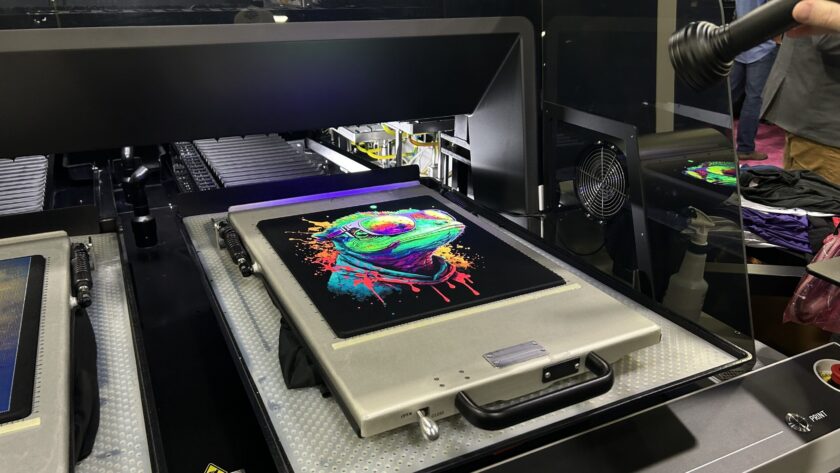
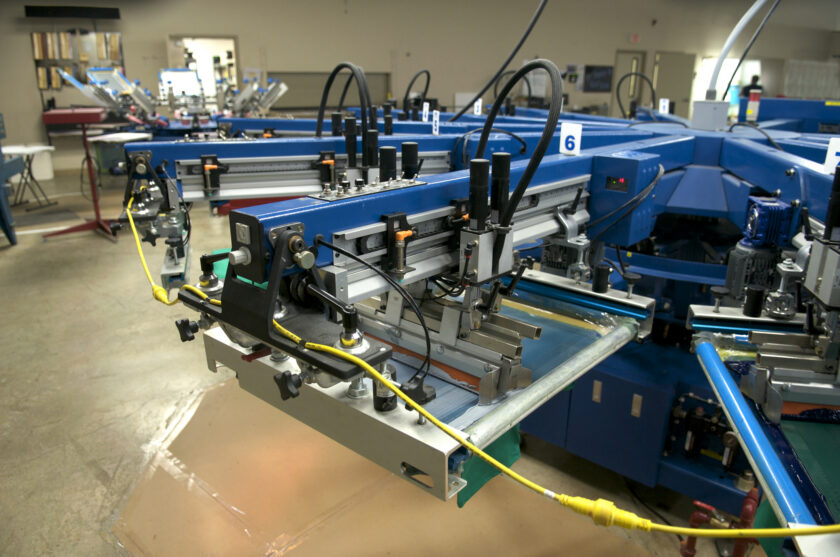
Healthy shops do not choose one print method and force every job through that door. They build coverage. Coverage means having more than one way to solve a production problem. Order sizes and complexity vary. One job might be twelve shirts with a simple front print. The next could be twelve hundred pieces with multiple print locations. At the same time, the product mix is wider than ever. Shops are decorating cotton, blends, performance wear, fleece, hats, bags, and more. On top of all this variety, customers expect faster turn times and have less patience for delays. No single print method handles all of these pressures well on its own.
Screen printing excels at repeatability and scale. It works best when volume is predictable and efficiency matters. Digital printing handles small orders and urgent work very well. It allows shops to react quickly and handle change with less setup. Hybrid methods exist because customers often want both outcomes simultaneously. They want speed and flexibility, but they also want durability or special effects.
This is not about owning more machines. It’s about creating more clarity in your decisions so that every job follows the path that makes the most sense for your shop.
Read the rest of this story on Apparelist, a publication of PRINTING United Alliance, ASI’s strategic partner.