
Key Takeaways
• Bel Group is replacing Babybel’s plastic film wrappers with paper, aiming to save 850 tons of plastic and 2,500 tons of CO2 annually across its global plants.
• The transition involved selecting paper that meets food-safety and marketing needs, ensuring durability, appealing aesthetics and a premium, multisensory unwrapping experience that consumers prefer over plastic.
• The move is part of Bel Group’s larger plan to reduce packaging across its products.
Bel Group, parent company of the Babybel brand of snack-size, individually wrapped cheese, is phasing out the plastic film wrappers it introduced just five years ago in favor of paper wrapping as part of a sustainability push.
According to Packaging Dive, the shift is projected to save 850 tons of plastic and 2,500 tons of CO2 each year across its five global plants.
It’s been a relatively quick rollout, with the program already in place in the U.K., but the Bel Group had to take necessary steps such as choosing the “right paper” for the job, lest it replace the material again only after a few years – like it did with the plastic wrappers it used beginning in 2020.
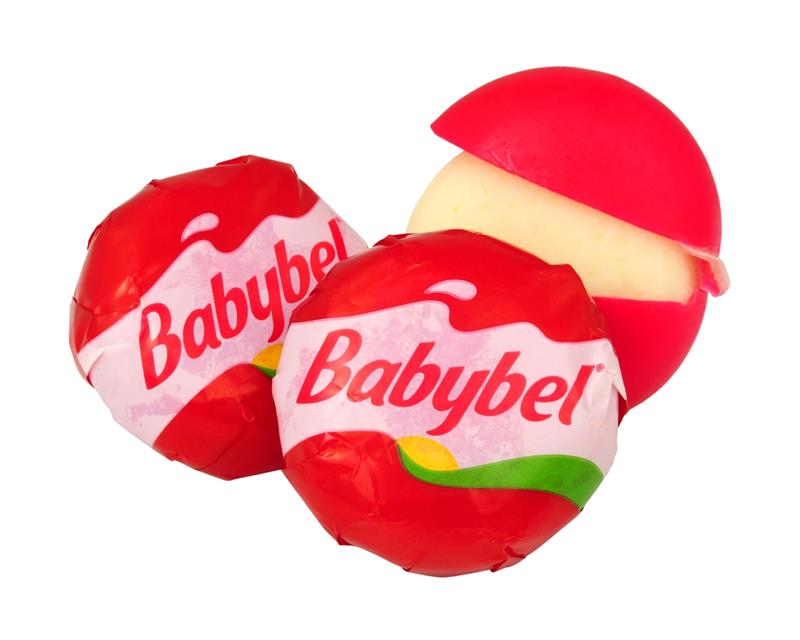
Rather than simply using any old paper or going for cost alone, the brand had to take into account the usual marketing criteria for food: Does it look like something people will want to eat? Packaging and design play a huge role in making people want to buy a food product. There is plenty of science behind how things like color and shape can give off different feelings to the consumer. Bel Group also took into account things like the look and feel of the packaging to create a multisensory experience that gave off a high-quality vibe for the buyer.
The team found that consumers, especially in the U.S., found that unwrapping paper felt more like opening a gift and was a more pleasant and exciting experience than plastic.
With it being a food product, they also had to test substrates for abilities like protecting against oxygen and humidity, according to Packaging Dive. Finally, they had to look into the logistics of actually wrapping each individual cheese piece.
“The speed, for us, is important,” Bel Group vice president of research, innovation and development Delphine Chatelin told Packaging Dive. “Because we wrap around 14 mini Babybels per second.”
The shift is also part of an overall plan at Bel Group to reduce packaging volume on a larger scale. To accomplish that, the group is testing things like bulk products in stores rather than focusing only on single-use packaging. The team is also looking at how customers respond to programs where they return reusable packaging, like those at some fast food locations across the globe.
“At Babybel, we believe that being a snacking leader is also a driver of positive change,” Linda Neu, global general manager at Babybel, told Packaging Europe. “Anticipating, innovating, paving the way for more sustainable snacking without ever losing sight of what makes us special: fun, practicality and accessibility. The transition to paper packaging is part of this continuity. It does not change the taste, the use or the moment of joy that Babybel brings. It simply takes us further in our commitment, to make the brand evolve with the times and with those who love it.”
The Lesson for Printers
No matter the product your packaging is designed for, sustainability and appealing design are both paramount to success in the market. The packaging design is what creates the first impression and breaks through the noise. The feel can be what makes it stand out once the potential customer actually picks it up. Heavier substrates can make something feel like a luxury good, and embellishments can add an extra bit of sparkle and high perceived value.
Additionally, modern buyers want to be sure that they’re making an ethical choice with the products they purchase. When they know that a product uses sustainable packaging, it gives the impression that the whole product is one they’re doing good by buying.
In the promo and branded marketplace, ASI Research found that 65% of consumers said it was important for the promo products they receive to be environmentally friendly.
While Babybel’s packaging overhaul is anything but simple in its logistical challenge, the actual choice seems like a simple one that can be copied on smaller scales for printers working with consumer brands and branded products.