
• A California law requiring producers of single-use plastic packaging to fund recycling and waste management programs is now in effect, but it faces a legal challenge from 17 Republican attorneys general and the National Association of Wholesaler-Distributors.
• Opponents argue that SB 54 unlawfully extends the state’s regulatory authority beyond its borders, criticizing the fee-setting process and claiming businesses have limited ability to challenge assessments imposed through the Circular Action Alliance.
• While California joins six other states with Extended Producer Responsibility laws, its program is among the most expansive, aiming to generate an estimated $5 billion over the next decade to fund recycling, waste reduction and environmental justice initiatives.
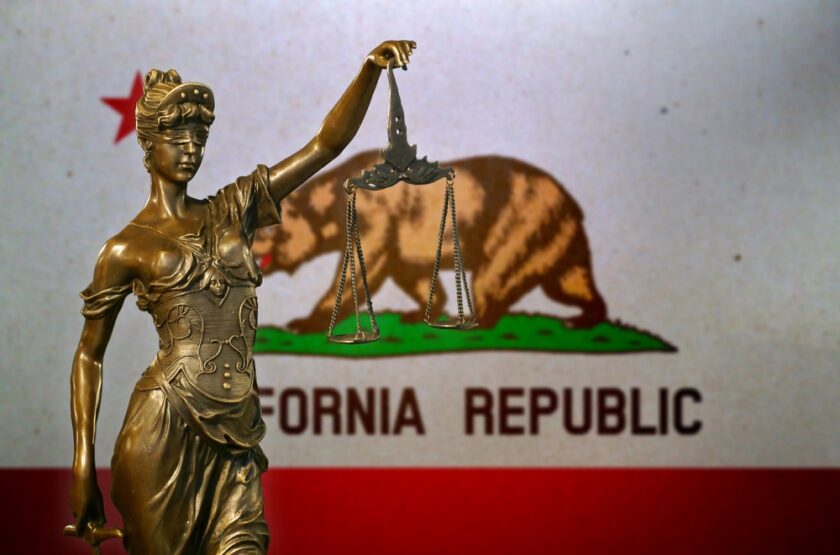
California’s Extended Producer Responsibility (EPR) legislation took effect on May 1, 2026 after being approved by the state’s Office of Administrative Law.
Opponents of the legislation, which mandates that companies considered producers of single-use packaging would be financially responsible for its entire lifespan, have already filed a lawsuit seeking to block the implementation of SB 54 in California.
According to the Associated Press, a group of 17 state attorneys general and one trade association have sued California to block the enforcement of SB 54. Led by Nebraska Attorney General Mike Hilgers, the lawsuit is backed by Alabama, Florida, Georgia, Idaho, Indiana, Iowa, Louisiana, Missouri, Montana, North Dakota, Oklahoma, South Carolina, South Dakota, Texas, Utah and West Virginia.
“Once again, California is trying to enact a policy that negatively impacts the rest of the country,” Hilgers said, according to the AP. “If California goes unchecked, consumers will be forced to pay more for basic necessities.”
The lawsuit states that the act would impact “virtually every product packaged or shipped in plastic containers, as well as a significant number of other types of packaging materials that merely incorporate plastics.”
California is far from the only state with EPR legislation in place. Currently, seven states – Maine, Oregon, Colorado, California, Minnesota, Maryland and Washington – have EPR legislation in place. The specifics vary state by state. For example, Maine’s legislation covers all recyclable packaging, whereas Maryland and Washington have separate legislation for paper packaging.
California’s SB 54 focuses primarily on plastic recycling, and has gone through multiple iterations as state officials worked to close potential loopholes in the language that would have potentially allowed producers of food packaging and agricultural packaging to circumvent the added costs.
Under SB 54, packaging producers – anyone bringing the product and its packaging to market – would pay into a statewide system, which would raise an estimated $5 billion in 10 years, and participate in a compliance management program. The fees would be allocated for services like recycling and waste reduction, as well as community aid initiatives in places most impacted by environmental damage due to plastic waste.
The 17 state attorneys general were joined in their lawsuit by the National Association of Wholesaler-Distributors (NAW). The coalition criticizes the method of California’s fee-setting process, specifically the Circular Action Alliance (CAA), the nonprofit chosen by CalRecycle to help implement the legislation. CAA and CalRecycle Director Zoe Heller are named as defendants in the lawsuit.
“California has delegated to CAA the power to create its own fee methodology that is declared confidential,” NAW said in a statement, according to Packaging Dive. “Businesses subject to the Act’s fees cannot challenge the assessments in court. Their only recourse is binding arbitration run by CAA itself.”
Eric Hoplin, president and CEO of NAW, said that California was overreaching its jurisdiction and affecting companies from other states with the legislation.
“California is not entitled to pronounce nationwide policies,” Hoplin said, according to the AP. “Because the Act extends California’s regulatory reach far beyond its borders and brings within its sweep conduct wholly unconnected to California, the Act violates principles of federalism, the horizontal separation of powers and due process.”
As it stands now, companies that bring any product to market in California using single-use packaging, including companies in the print and promotional products industries, such as apparel companies using plastic bags or food distributors using single-use plastic packaging, are subject to the costs associated with SB 54.