
Key Takeaways
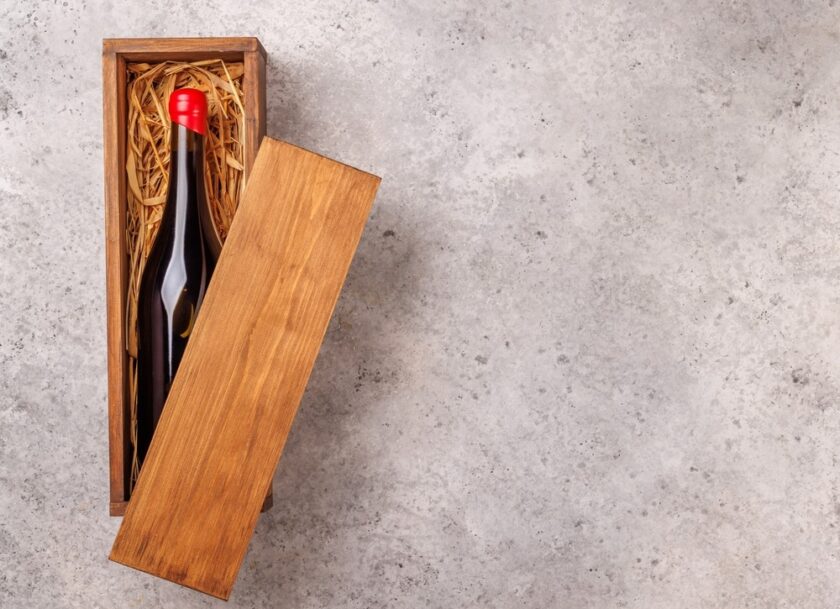
• Sustainable materials like wood are redefining luxury packaging by combining environmental responsibility with elevated design and tactile appeal.
• Rustic materials such as wood and leather create a sense of craftsmanship, authenticity and heritage that resonates strongly with modern upscale consumers.
• For promotional products professionals, tactile, high-end packaging increases perceived value and improves the likelihood that branded items are kept rather than discarded.
There’s an endless pursuit in packaging for the next great innovation, the next design, that can accomplish multiple things at once: Does it look good, does it feel good to the touch and is it environmentally friendly?
Quadpack, a manufacturer of cosmetics and personal care packaging, might have accomplished that triple crown with its new wood-based BeautyWood 2026 collection, which is made from sustainably sourced European wood and designed to stand out visually and tactilely from the competition.
“The conceptual collection serves as an inspiration to imagine new possibilities with wood,” Denisa Stircea, senior category specialist for Quadpack, told Packaging Insights. “It’s a modern tribute to touch that will appeal to luxury houses and niche brands looking for storytelling through package design.”
At Paris Packaging Week 2026, Quadpack’s Senior Director of Marketing for Innovation and Strategic Development Pierre-Antoine Henry added that the BeautyWood 2026 collection would appeal to what the company believes will be the future of luxury packaging in retail and in gifting: “sustainability, elegant design and an elevated user experience.”
The elevated user experience is what should hit home the most for a promotional products distributor or printer using packaging as part of their campaigns. The packaging serves as a first impression for the campaign. The packaging sets the tone.
In an interview with Packaging Insights, Virginie Pellé, secondary packaging division director for TNT Group, went into how wood can be used as a material to convey luxury over other materials like plastic or metal for a perfume range. In this specific case, it was for a limited-edition run of perfume, where each bottle was wrapped in 24-karat gold leaf foil.
“The wooden box extends the elegance and sophistication of this exceptional product,” Pellé said in the video. “The natural aesthetic and unique grain patterns of the wood offer a distinct high-end visual appeal. Also, wood conveys a sense of authenticity and heritage, aligning with the timeless nature often associated with luxury fragrances, especially for this one. The tactile warmth and substantial feel elevates the unboxing experience, signaling quality and craftmanship.”
Additionally, Pellé says, wood is viewed as sustainable, which appeals to environmentally conscious consumers, who are often buyers of upscale products since sustainable attributes often come with a higher price tag.
Intentionality & Craftsmanship
In the interview, Pellé makes the point that wooden packaging creates a sense of bespoke craftsmanship. Each piece feels like it could have been handmade by an artisan. There’s real appeal of something being small batch or custom, even if it wasn’t.
In the promotional products space, materials like leather have had a bit of a resurgence as buyers want something with “old-school feel,” i.e. the perhaps subconscious belief that something is quality because “they don’t make ’em like they used to.”
As reported during the ASI Show in Orlando last year, searches for “leather” on Google reached their highest point in December 2024 since the company started tracking searches 20 years ago.
The Feel
Beyond appealing to a customer’s desire for a quality product that feels like it was made especially for them, using special materials in packaging gives the product a better chance of being taken home, which is the highest priority in promo. A branded product does no good in the trash.
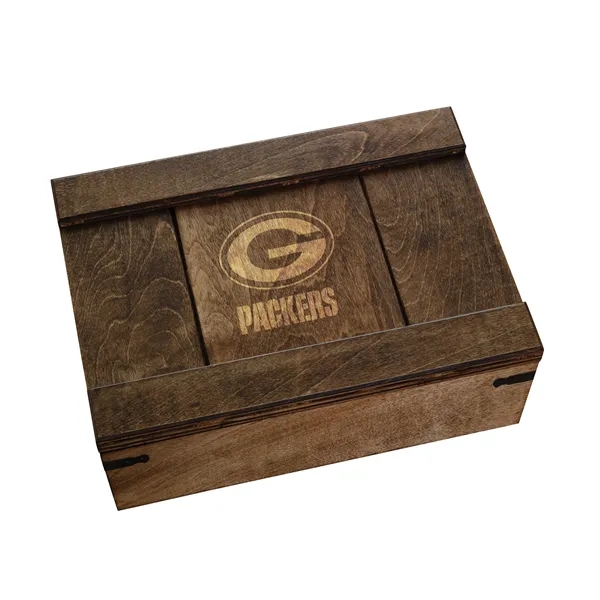
Wooden packaging itself has a touch that stands out from paper or plastic, and there are decoration methods that add to the tactile experience, like engraving.
The look is only part of the process. The feel is where the full brand story comes together.
“It triggers and leaves a deeper footprint in your brain when you’re holding a physical object,” Patti Groh, director of communications for Sappi North America, told Print & Promo Marketing in a podcast interview in 2024. “More than half of our brain is devoted to sensory experience. And so much of that focuses on touch.”
But not every item should be given a package like this. Distributors still need to weigh whether the upscale-yet-rustic aesthetic is what the product demands.
“Wooden boxes are effective for products that are meant to be kept, displayed or gifted, rather than discarded after use,” says Erin Lewis, director of marketing and e-commerce at Wendell August Forge (asi/37457). “They work best for items that already carry a sense of craftsmanship or longevity.”
Lewis says that Wendell August Forge tends to use its wooden packaging for items like gift sets, barware collections and commemorative items that are meant to be displayed in the home.
“A wooden box feels luxurious because it creates a sense of occasion, adding emotional value before the product is even revealed,” Lewis says. “It elevates the experience by making the opening feel deliberate and gift-worthy.”
The bottom line for printers and distributors looking to level up their packaging: Look into all sorts of materials. If you’re still using paper, at least consider how embellishments and different tactile experiences could make a product stand out and tell the brand story that end-users want to hear.