
In the promotional products world, tech items have evolved far beyond simple USB drives and basic phone chargers. Today’s buyers – increasingly Gen Z and millennials stepping into purchasing roles – expect more. They want products that look and feel premium in their hands, and arrive in packaging that’s worthy of a TikTok unboxing video.
The shift is real, and it’s reshaping how distributors and suppliers approach everything from product selection to presentation. According to Counselor’s State of the Industry report, promo tech products generated $825 billion in sales in 2024, and have gained market share three consecutive years. Within that massive market, tech accessories and electronics continued to be major revenue drivers, with packaging playing an increasingly critical role in perceived value.
As tech products have become more sophisticated, packaging has evolved with them. Just a few years ago, some in the industry saw packaging as an afterthought or simply a necessity – a utilitarian box to protect the product during shipping. Today, it’s part of the product itself.
“If I thought about the promo side of things in the tech space five years ago, it was mostly just focused around the product versus the overall experience,” says Logan Altman, chief impact officer of Doing Good Works (asi/222095). “What I think a lot of the suppliers have done across our industry is ensured that packaging is a component that’s included in the product.”
Sleek & Stylish
That packaging transformation has taken multiple forms. Some suppliers now include sleek blank boxes as standard. Others go further with custom-printed designs. But the goal is universal: Make customers feel like they’re receiving something special.
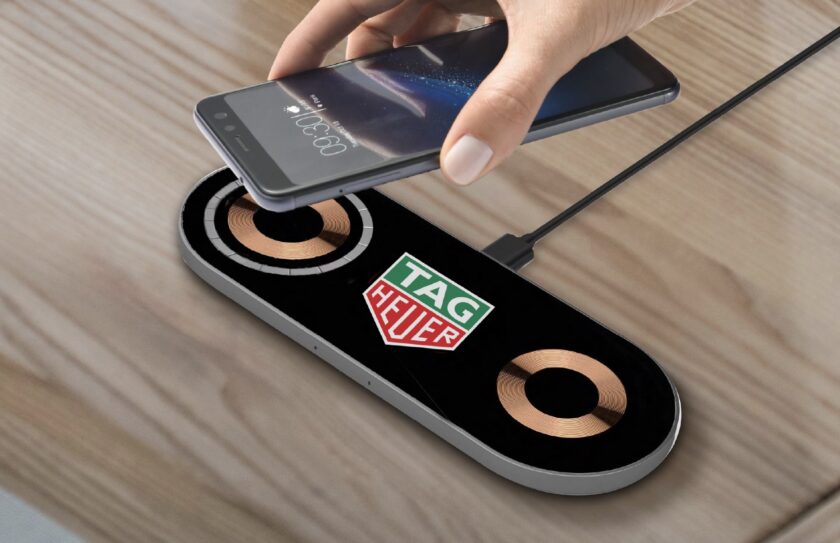
“We did a wonderful project – $500,000 for a wireless charging pad with custom packaging that encompassed the company’s branding and messaging,” recalls Dan Jellinek, chief revenue officer at Counselor Top 40 supplier The Magnet Group (asi/68507) and a member of the Counselor Power 50 list of the industry’s most influential people. “The packaging took the product and the gifting experience to a whole new level.”
As packaging has become more of an experiential good, today’s buyers have made their design preferences clear: clean, simple and understated. Look no further than Apple or Samsung, which have consistently been tastemakers in the aesthetic side of tech. “Without a doubt, we’ve been seeing the minimalistic design taking over,” Altman confirms. “I think consumers, especially today, are really valuing the idea that less is more. In the tech space, we see that already with the big groups – it’s very common for Apple and Android.”
Green Energy & Special Touches
Dominique Volker, vice president of sales for Whitestone Branding (asi/359741) and a Counselor Power 50 member, echoes this sentiment, noting that the intersection of sustainability and premium branding has created a new design language in the space.
“The most successful packaging we’re seeing now incorporates eco-conscious materials while maintaining that high-end aesthetic buyers expect,” she says. “It’s about finding materials that are both responsible and beautiful – recycled content that doesn’t look recycled, minimalist designs that feel intentional.”
Even as minimalism dominates, that doesn’t mean packaging has become sparse. While tech products steal the spotlight, print materials play a crucial supporting role in creating the complete brand experience. Custom inserts, instruction cards, thank-you notes and branded tissue all contribute to the overall presentation.
“When somebody opens up the packaging and they see the insert being placed beautifully on top in a little cutout thumb notch portion, or the product sits on top and then they lift up a tray and there’s the USB cable behind it or the actual instructional guide – that all plays into the look and feel,” Altman explains. “It doesn’t feel like it’s all jumbled together. Everything has its place.”
Volker adds that print elements serve a dual purpose: functional and experiential. She mentions how suppliers now incorporate QR codes linking to setup videos, sustainability certifications prominently displayed and even handwritten-style notes that add a personal touch to tech products.
Functional Pieces
While packaging sets the stage, the product itself still needs to deliver – and right now, there’s one category consistently leading the conversation for suppliers and distributors: MagSafe.
“When we talk essential, I gravitate to what pairs with our cellphones – the ultimate essential item in most of our lives,” Jellinek notes. People are looking for products like wireless power banks, desktop charging stations and newer MagSafe items that enhance their experience using their favorite devices.
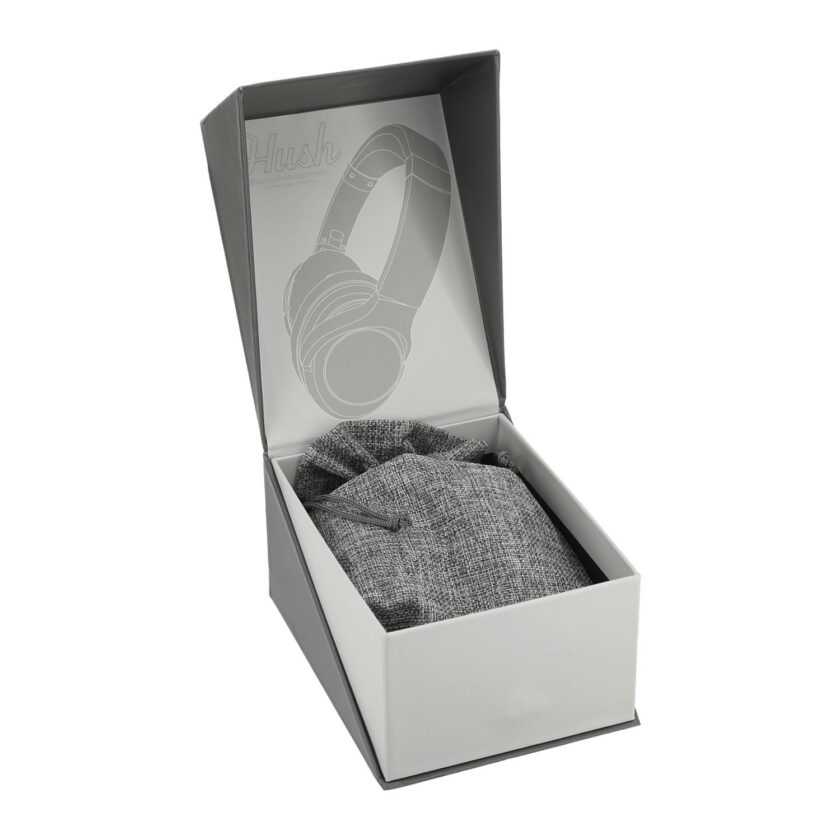
The appeal is simple: convenience paired with premium functionality. MagSafe accessories snap onto compatible phones magnetically, eliminating fumbling with cables or alignment. For promotional buyers, they represent everyday use with a tech-forward edge.
But it’s not just about new technology. The quality of materials matters too.
“To keep an item at a lower price point, we may utilize ABS plastic,” Jellinek explains. “But to give the same type of item a feel of luxury, a beautiful, high-polished metal power bank will signal a more premium experience.”
Kitting’s Role
As products become more refined, buying strategies are shifting as well. While bundled tech kits still have their place, distributors report that most clients are gravitating toward individual, high-impact items.
“We’re seeing a lot more of the product speaking for itself, where most of the time it’s a premium piece and that’s the main component behind it,” Altman says. “Every once in a while we do see the really high-end tech bundles, but most of the time the consumer is asking for one statement piece.”
When bundles do make sense, they’re typically packaged in premium presentations – custom foam inserts, magnetic closure boxes or multi-compartment designs that showcase each item individually. The key is making each component feel intentional rather than thrown together, and the demographic shift in purchasing roles is reshaping product expectations across the board.
“Right now we’re seeing a lot more of the buyers stepping into those roles being from millennial to Gen Z,” Volker notes. “They want to follow the same trends that they like, which are the Apple, Android minimalistic types of products that have a high perceived value.”
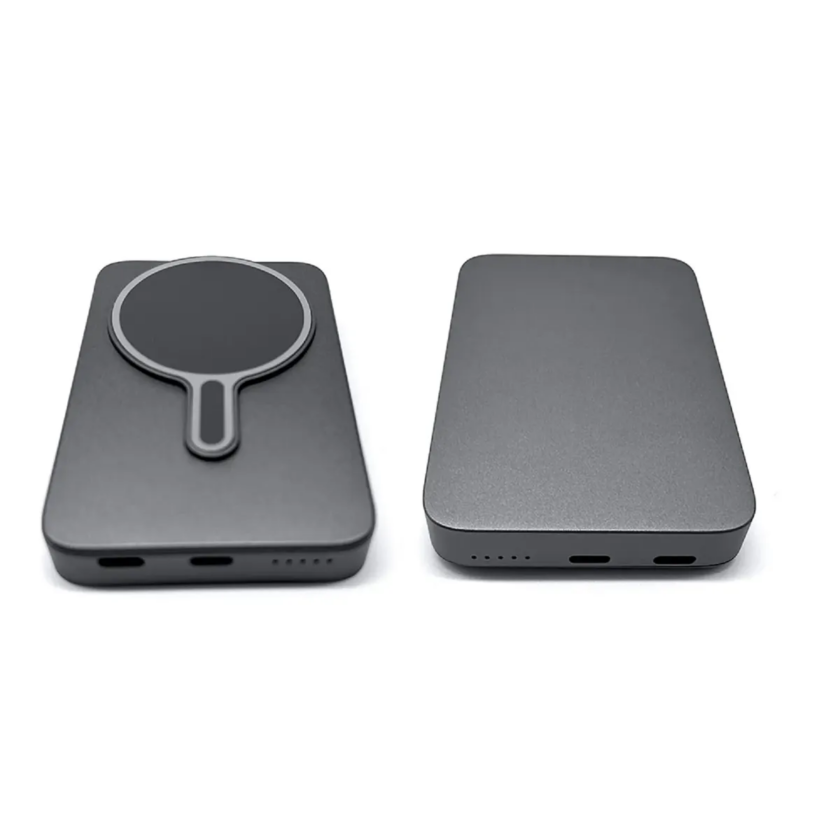
Social media – particularly TikTok – has fundamentally changed how brands think about promotional packaging and tech products.
“The TikTok space has really taken off because it’s taking the virality to a whole new level for the consumer on the promotional space,” Altman says. “What we’re seeing is the overall unboxing experiences taking place for groups that are doing press kits or PR kits, influencer kits. The individuals that are showcasing those on social media want to show the unboxing experience.”
Every detail matters in this context. Influencers and recipients critique not just the product but the box it comes in, the protective materials used, how items are arranged, even the sound the packaging makes when opened. It’s content creation fuel, and brands that nail the experience get free marketing.
However, when packaging goods, tech products come with considerations that don’t apply to other categories like apparel or drinkware. Lithium-ion batteries, magnets and electronic components require careful handling and clear communication.
“You’re dealing with the potential for not only magnets but also things like lithium-ion batteries,” Altman explains. “There are some restrictions as we know with regard to travel and TSA requirements on how those are transported – what can be shipped by air and what can only go ground.”
Suppliers have adapted by including required disclaimers directly on packaging, much like consumer electronics brands do. “Those little details are being brought into the disclaimer sign on the back side of the packaging, but it leaves the front side to keep that clean retail look and feel to it,” Altman says.
What’s clear from conversations across the industry is that promotional tech has fully entered the experience economy. Products are no longer judged solely on functionality or price – the entire journey from delivery to first use matters.
“First impressions are crucial, and that 100% begins with packaging,” Volker emphasizes. “Brands that understand this are the ones winning loyalty and social shares.”
For distributors, this means collaborating closely with suppliers to ensure every detail – from product selection and quality to box construction, insert placement and material choices – aligns with the client’s brand and the recipient’s expectations. For suppliers, it means continued investment in packaging innovation and sustainable materials that don’t compromise on that premium feel.
In today’s landscape, the product may get the credit, but the experience is what gets remembered.