
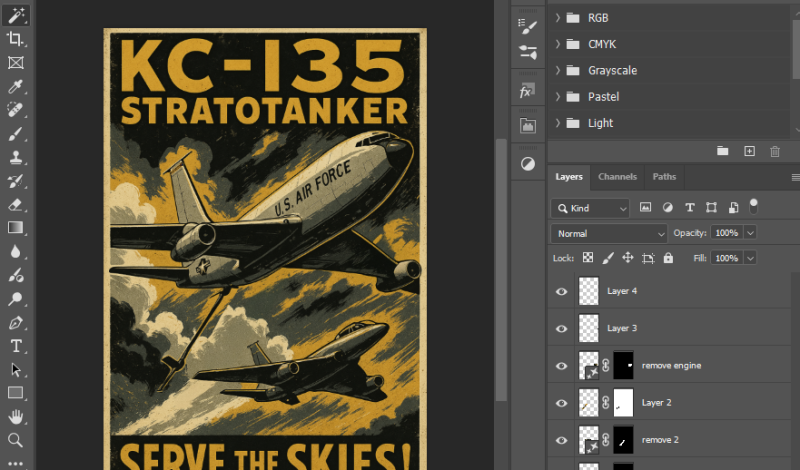
As apparel decoration continues its voyage into the digital world, Apparelist wants to make sure everything is smooth sailing. When it comes to digital printing, it’s a matter of intersection of color, fabric, and print technology to create pieces that don’t just look good on screen but sell off the rack — or if we want to stick to the nautical theme here, off the aft deck.
Like we always do, we’ve got you covered. Industry experts Michelle Moxley, an automation and AI consultant, and Dane Clement, vice president of Art and Creative Process for GroupeSTAHL, weighed in to give their “must-know” design tips for digital printing.
It All Starts with the Printing Method
If you ask Clement, he’ll tell you that one of things you need to start with before anything is determining whether you’re using DTG or DTF printing.
Ultimately, his philosophy is simple: Create compelling artwork first, then adapt it for the chosen print method, while keeping production realities — and client expectations — in mind.
“It matters; DTG for instance, it can only go on cotton,” Clement says. “So, you get that very limited space, but you got a lot more leeway because you can print more solid areas, and it doesn’t have that feel like a DTF would. … With DTF you don’t want to have a lot of soft edges unless you have toned them or you have a way to handle those, and you’d have more open spaces in the design because of the heavy hand it has.”
Moxley believes that when you’re designing, you shouldn’t make it with just one printing method in mind.
Read this full article on Apparelist, a publication of PRINTING United Alliance, ASI’s strategic partner.