
Key Takeaways
• Print on demand gives distributors greater flexibility to fulfill smaller, customized orders quickly.
• Success depends on automation, reliable partners and a clear strategy for where the model adds the most value.
• Rather than replacing traditional bulk orders, print on demand expands business opportunities by reducing inventory risk and increasing product choice.
Faster, easier. That’s been the core tenet behind commerce for centuries, from the central marketplace to Main Street to the shopping mall. Now with online shopping, the average consumer is less patient and willing to compromise on what they want and how fast they want it – which is often immediately.
Historically, those expectations haven’t aligned with the traditional promotional products model, which typically requires buyers to place large orders well in advance.
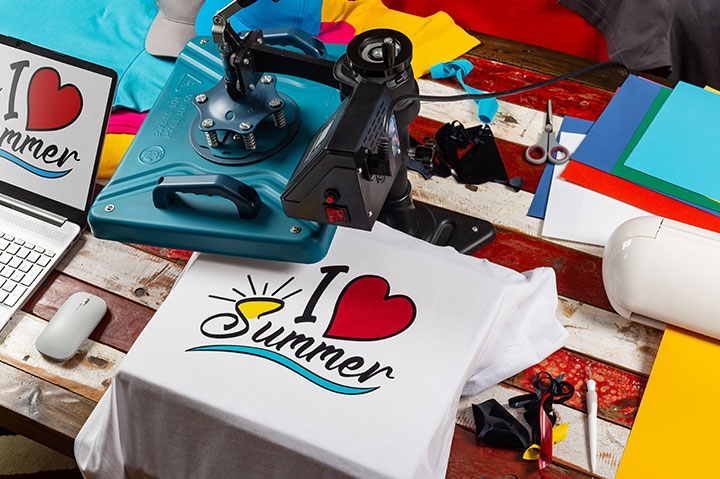
Print on demand (POD) is changing that equation. It enables clients to purchase as little or as much as they need, when they need it. Counselor found that over a third of distributors currently offer print on demand – a number that’s sure to grow as the technology takes off.
POD is appealing for many of the same reasons as AI: it enables companies to work in new, more efficient ways. But just as saying “I want to use AI” doesn’t magically transform your business, so too does print on demand require an intentional approach. For distributors producing items in-house, successful POD requires decoration equipment capable of handling short-run, on-demand production, along with software that manages the process from the click of the order to delivery. For those outsourcing production, success depends on seamless integration with automated supplier and fulfillment networks.
Read this full article, along with other features from the 2026 Counselor State of the Industry, here.