
When contract printer USColorworks got an order for 1,000 personalized engraved tumblers, Owner Rodney McDonald knew the job would test his shop’s systems. “What normally would have taken a week had to be completed in two days,” he says. “Our employees volunteered for overtime and tightened our workflow, so we got it done.”
The order was a success, but it reinforced what McDonald already knows about fulfillment: Strong systems, clear communication and tight workflows matter.
Fulfillment partners operate behind the scenes, helping distributors, decorators, brands, and even schools print, pack, and ship recurring orders or webstore purchases directly to end-users.
Here are five common fulfillment breakdowns — and how top partners prevent them.
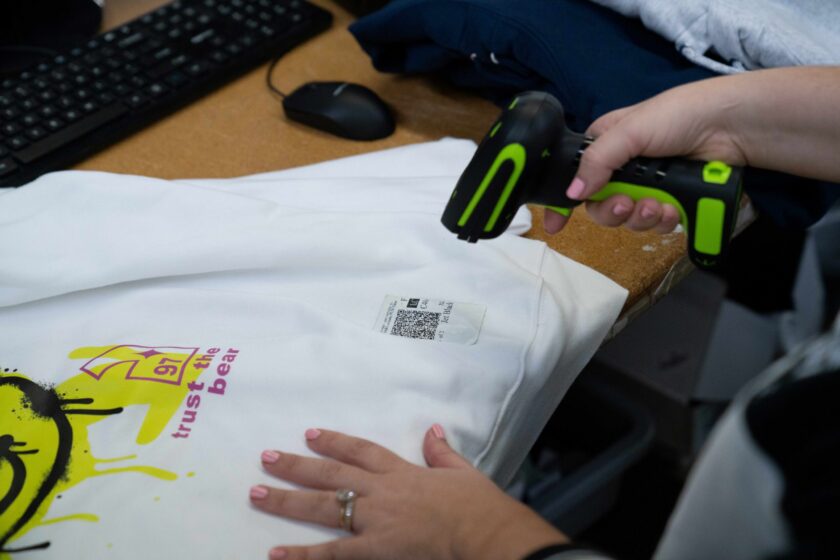
No. 1 – When the final product misses the mark
This scenario typically comes down to a breakdown between expectation setting and production reality. “One of the most common mistakes is treating the approved sample as a ‘one-and-done’ checkpoint instead of documenting and standardizing what made it successful,” says Hallie Perrin, customer service manager at STAHLS’ Fulfill Engine.
Too often, shops approve a sample by looking at it, but don’t lock in the exact specs, such as ink density, placement tolerances, substrate variation, or nuances in the decoration method. “Then, production teams are left to interpret rather than replicate,” Perrin says.
McDonald adds that decoration mistakes don’t always cause quality issues. “Generally, decorating the product is among the easiest things to make happen,” he says. “It’s all the logistics that have to happen to get that product through your system and shipped.”
Read the full article on Apparelist, a publication of PRINTING United Alliance, ASI’s strategic partner.