
Experiential marketing isn’t always about building elaborate stages and displays for big sporting events, music festivals or urban gatherings.
Print service providers that create retail graphics, point-of-purchase (POP) displays, trade show displays, or branded interiors can discover new business opportunities by understanding why agencies drawn to experiential marketing are innovating to create more impactful in-store experiences.
■ Background
In the post-COVID era, brands and retailers have discovered that well-executed in-store experiences can give digital natives (millennial and Generation Z shoppers) something they can’t get online — a real-world feel for the brand’s products and values.
In a Path to Purchase Institute blog post, Dan Sabanosh, director of shopper marketing of the retail display company Great Northern Instore, listed experiences as one of the top five in-store trends that dominated retail in 2025.
When the retail brand experience agency ChangeUp surveyed 2,000 shoppers from four different generations, they found that experiences are becoming increasingly important in attracting millennials and Gen Z shoppers (currently aged 12-43). According to the survey, 50% of Gen Z shoppers find in-store shopping stressful, and 72% of millennials say the quality of in-store experiences influences where they shop.
“Consumers are looking for spaces that deliver discovery, inspiration, and authentic connections that even the best digital experience can’t replicate,” Lynn Gonsior, COO and co-founder of ChangeUp, says.
In-store activations come in many forms, depending on each brand’s budget and goals.
Here are a few examples of how agencies are innovating.
■ Face-to-Face Conversations
Marketing agency Old City Media is focusing on the human-interaction element of in-store experiences.
Instead of conducting surveys or using in-store displays with QR codes to capture data from shoppers, Old City Media founder Ray Sheehan developed a simple, flexible program that enables brands to get honest, in-person feedback from shoppers in the brand’s targeted demographic.
The brand sets up a booth within a retail store and offers store gift cards to shoppers who spend a few minutes chatting with brand representatives in the booth.
Elements of each in-store activation range from a simple tabletop exhibit and signage near the store entrance, to a parking-lot exhibit featuring a graphic-wrapped delivery truck behind the tabletop exhibit.
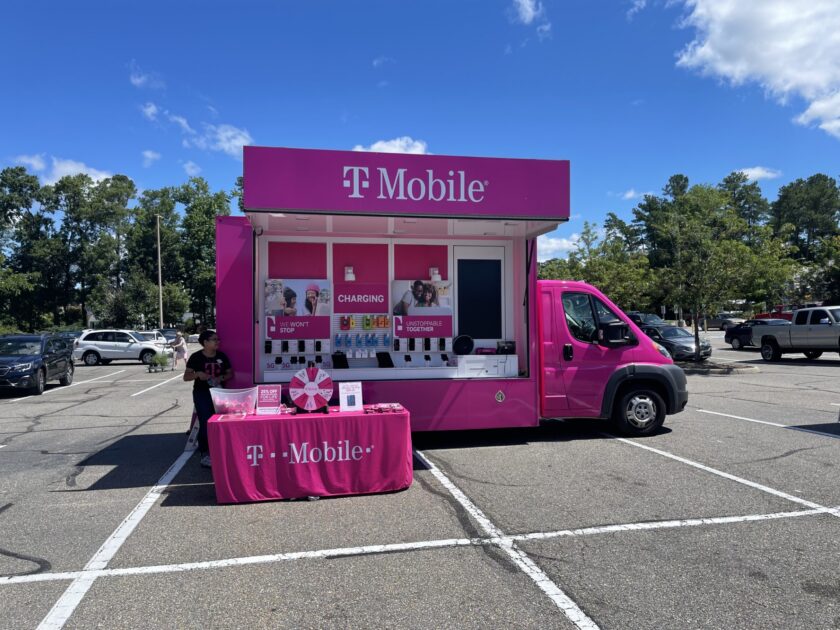
Sheehan helps each brand outline how success will be measured, and uses artificial in intelligence (AI) to identify the store locations and times that will bring the highest volume of foot traffic from their target audience.
If an in-store activation is successful in a handful of locations, the brand may repeat it in dozens of other stores.
“Each brand is different in terms of whether they want to get cell phone numbers, email addresses, or appointment bookings,” Sheehan says. “But essentially what they really want is to engage in conversation.”
Sheehan came up with the concept during the COVID shutdown, when the big day-long festivals Old City Media organized in major-league ballparks were canceled. He wanted to provide brands with alternative ways to speak directly to consumers.
Old City Media set up the first in-store experiential activations in grocery and home-improvement stores — some of the only places homebound consumers could visit.
So far, Old City Media has conducted more than 50,000 in-store brand activations, which Sheehan says benefit brands, retailers, and consumers.
Brands like the concept because they can amplify their marketing messages without competition from other exhibitors. “We make the client the star of the show,” Sheehan says.
Read the rest of this story on Wide-Format Impressions, a publication of PRINTING United Alliance, ASI’s strategic partner.