
As anyone in the apparel industry knows, creating a design for a T-shirt isn’t enough: You need to create something that people want to wear. Even when designing for popular and easy-to-use printing techniques such as direct to film (DTF), there are design decisions that can produce a variety of outcomes in terms of a design’s texture and hand feel. It’s important to know the tricks of the trade that can help you maximize your DTF production and boost your profits.
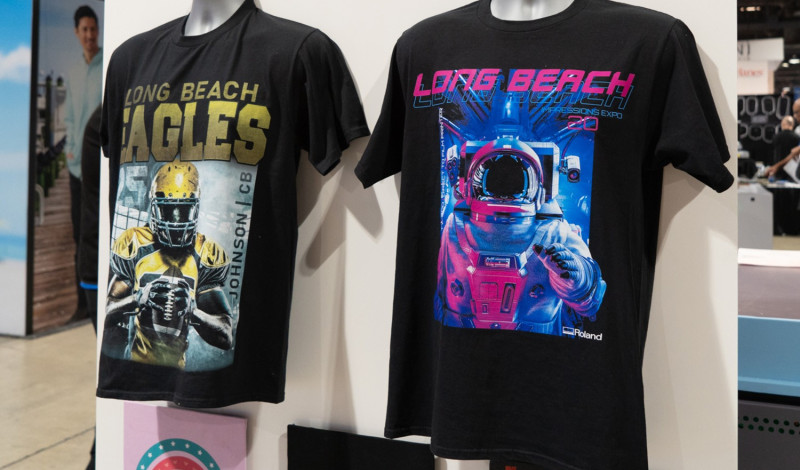
Below is a list of some of the specific do’s and don’ts for designing and printing a DTF graphic that will result in a garment most people will find both appealing and comfortable.
Here are some of the advantages of designing a graphic for DTF production.
Setting up the file for a DTF print is essentially the same as for a heat transfer vinyl (HTV) print. The only difference is you need to add a cut line on an HTV graphic, which is not needed for DTF. At times, an HTV graphic creates a heavier or more plasticky hand feel on the garment than a well-designed DTF graphic does.
Read the rest on Apparelist, a publication of PRINTING United Alliance, ASI’s strategic partner.